
Common Appliance Problems in Burlington Homes
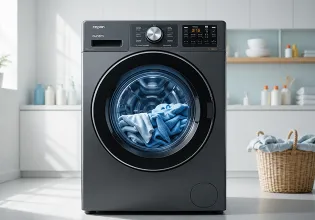
A washing machine that starts leaking in a Burlington basement can soak stored belongings and warp flooring before anyone notices. In a town with a mix of single-family homes and condos, the layout of the laundry area — whether it is tucked behind a bulkhead door or crammed into a first-floor closet — often determines how quickly a small problem becomes a big one.
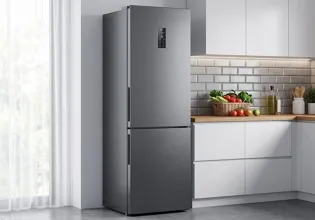
- Refrigerators that stop cooling often have a failed evaporator fan or a condenser coil packed with dust. In kitchens where the fridge sits tight against cabinetry with barely an inch of clearance on the sides, restricted airflow speeds up that kind of failure.
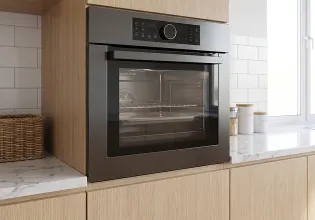
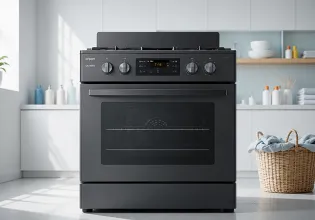
- Ovens and stoves that will not heat — we usually see this with a worn bake element on electric models or a faulty igniter on gas ranges. If you smell gas but the burner will not light, shut the valve off and call before doing anything else.
- Washers that refuse to drain. Often the cause is a clogged pump filter or a kinked drain hose behind the machine, especially in older homes where the hookup sits in a tight corner.
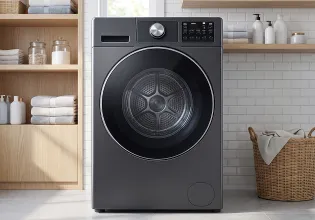
- Dryers running a full cycle without getting clothes dry, which usually points to a blocked vent line or a burned-out heating element.
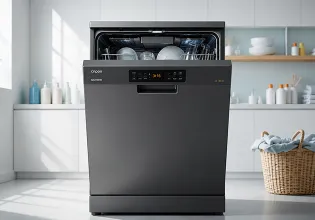
- Dishwashers leaving standing water at the bottom — worth checking the drain hose loop under the counter before assuming the pump has failed.
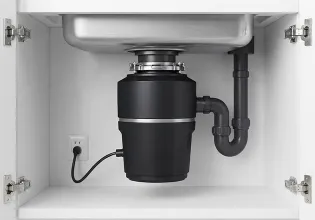
- Garbage disposals that hum but do not spin, typically jammed by a small bone or piece of glass wedged in the grinding ring.
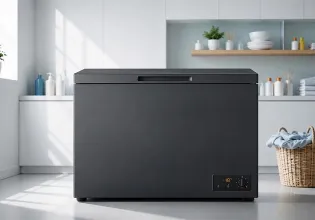
- Freezers building up heavy frost on the back wall, a sign the defrost heater or thermostat has gone out.
Local Utility, Permit, Safety, and Disposal Factors in Burlington
When an appliance repair turns into a replacement, Burlington homeowners run into town-specific rules that are easy to overlook. The permit, disposal, and safety requirements here touch almost every major appliance category, and knowing them before the installer shows up saves time and avoids compliance headaches.
Permits and Licensed Work
Burlington's Inspectional Services Department requires permits for appliance installations that involve gas, electrical, or plumbing connections. Swapping out a gas range or a gas dryer, for example, means the installer has to pull a gas permit through Burlington Building Department permits and inspections before the work begins. That is not optional — it is how the town confirms the gas line was connected safely and inspected afterward. If you are hiring someone to do the job, ask whether they plan to pull the permit themselves or expect you to handle it.
Plumbing permits apply when a dishwasher or garbage disposal connects to the municipal water or drain system. Under the Massachusetts State Plumbing Code, those connections must be performed by a licensed plumber. The same rule covers washing machine hookups if new supply or drain lines are being run. Electrical permits kick in whenever an installation involves new or modified wiring — say, upgrading a kitchen circuit to handle a larger oven. The practical takeaway: before signing off on any replacement, confirm that the contractor knows which Burlington permits apply and plans to schedule the required inspection.
Burlington Inspectional Services Department
25 Center Street
Burlington, MA 01803
Phone: (781) 270-1670
Official Website
Fire Safety and Carbon Monoxide
The Burlington Fire Department fire prevention program addresses two appliance-related hazards that come up constantly: dryer lint buildup and carbon monoxide from gas appliances. Lint accumulating in a dryer vent — especially in homes where the vent runs a long distance through a basement wall or up through the ceiling to a roof cap — is one of the most common causes of residential fires. If your dryer takes noticeably longer to dry a load, that vent needs to be cleaned before the next use.
For any Burlington home with a gas range, gas dryer, or gas boiler, the Massachusetts State Fire Code requires working carbon monoxide detectors on every habitable level. That is not a suggestion. Check yours when you schedule a gas appliance repair — a technician working on a gas line is a good reminder to make sure the detectors have fresh batteries and have not expired.
Appliance Disposal
You cannot leave a dead refrigerator or washer at the curb on regular trash day in Burlington. The town classifies large appliances as bulky items, and residents must schedule a pickup appointment through the Burlington Department of Public Works bulky item disposal program. Refrigerators and freezers that still contain Freon have an extra step — the refrigerant must be properly recovered according to state and federal rules before the DPW will collect the unit. If you are replacing a fridge, ask the delivery company whether they handle refrigerant removal, or arrange it separately before your pickup date.
Water Supply and Appliance Performance
Burlington receives its water through the Massachusetts Water Resources Authority water service, sourced from the Quabbin and Wachusett reservoirs. Water pressure and supply from the MWRA system can affect how dishwashers fill, how washing machines rinse, and whether a refrigerator ice maker produces consistently. If a water-connected appliance suddenly underperforms — slow fill cycles, weak ice production — it is worth checking the shutoff valve and supply line before assuming the appliance itself has failed. Sediment in an old brass valve can restrict flow just enough to cause problems.
What Makes Appliance Repair in Burlington Different
Burlington operates its own Inspectional Services Department at 25 Center Street, and the permit process here runs through that single office for gas, plumbing, and electrical work. In some neighboring towns, those permits are handled by separate departments or through a regional building inspector, which changes the timeline and the paperwork. In Burlington, a contractor replacing a gas dryer needs to pull the gas permit locally and schedule a Burlington-specific inspection — not a regional one. That matters because it means the work is reviewed by someone familiar with the housing stock in town.
The disposal side is also specific to Burlington. The DPW's appointment-based bulky item pickup means you cannot simply call a hauler and put an old washer out on any collection day. You have to plan ahead, especially for refrigerators and freezers where Freon recovery adds a step. Homeowners who try to repair rather than replace often cite this process as one reason they would rather fix what they have — getting rid of the old unit is not as simple as dragging it to the curb.
Appliance Replacement and Household Equipment Considerations in Burlington
When a repair no longer makes sense — the compressor on a fifteen-year-old refrigerator, a cracked tub on a front-load washer — the next steps in Burlington involve more than picking a new model. Start with disposal: call the Burlington DPW at (781) 270-1680 to schedule your bulky item pickup before the new appliance arrives. If the old unit is a fridge or freezer, confirm that the refrigerant has been properly recovered, because the DPW will not pick it up otherwise.
Next, figure out whether the new appliance triggers a permit. A like-for-like electric dishwasher swap on existing plumbing usually does not. But switching from an electric range to a gas range means a new gas line, a gas permit from Burlington Inspectional Services, and an inspection after installation. The same applies if you are adding a garbage disposal where one did not exist before — that drain connection requires a plumbing permit under state code, and the work has to be done by a licensed plumber.
Massachusetts Consumer Protection Law also gives Burlington residents recourse if a repair or installation goes wrong. Chapter 93A prohibits deceptive trade practices, and willful violations can result in up to three times actual damages. Before hiring anyone, ask for a written estimate, confirm their license numbers, and keep your receipts.
Burlington Department of Public Works
25 Center Street
Burlington, MA 01803
Phone: (781) 270-1680
Official Website
Areas We Serve Throughout Burlington
We provide appliance repair throughout the Town of Burlington. As a compact suburban community, every part of town falls within our service area. Here is what we typically see across different sections of Burlington:
- Burlington Center — Homes near the town center often have smaller kitchens with limited clearance around appliances. Pulling a dishwasher out for service sometimes means removing a cabinet panel first.
- North Burlington — Many single-family homes here have basement laundry setups with dryer vents that run horizontally through the foundation wall. Long vent runs like these are where lint buildup becomes a real fire concern.
- South Burlington — A mix of older ranch-style homes and newer construction. We often find that older homes still have original shutoff valves on washer supply lines that are partially seized and hard to close in an emergency.
- Near the Burlington Mall area — Condo and apartment complexes in this part of town sometimes have stacked washer-dryer units in closets with tight access. Getting a full-size replacement through a narrow hallway usually requires measuring the path ahead of time.
- East Burlington — Gas appliances are common in the single-family homes here, and we see a steady number of gas range igniter replacements, especially on older models where moisture from cooking corrodes the igniter over time.
- West Burlington — Homes closer to the Lexington and Bedford borders tend to be on larger lots with attached garages. Carbon monoxide detector compliance matters here — the state fire code requires detectors in any home with an attached garage or gas appliances.
- Off Middlesex Turnpike — Newer condo developments in this corridor often have built-in microwaves and dishwashers that are integrated into custom cabinetry. Accessing the unit for repair without damaging trim takes careful work.
- Near Simonds Park — Established residential streets with homes from the mid-twentieth century. Refrigerators wedged into older kitchen alcoves can be difficult to slide out for condenser cleaning or compressor access.